Ever fired up your gaming rig only to hear a high-pitched whine or feel your frame rates nosedive during an intense raid? You’re not alone. Many gamers overlook one of the most critical yet underrated components: the humble fan. Knowing what fans are in my pc isn’t just trivia—it’s essential for stability, noise control, and longevity. In this guide, we’ll walk you through identifying, evaluating, and upgrading your cooling setup so your system runs cool, quiet, and competitive.
Table of Contents
- Why Your Gaming PC’s Fans Actually Matter
- How to Identify What Fans Are in My PC
- 5 Best Practices for Optimal Fan Setup
- Real-World Case: From Overheating to Ice-Cold FPS
- Frequently Asked Questions
Key Takeaways
- You can identify your PC fans without opening the case using software like HWiNFO.
- Replacing just one fan often creates imbalance—upgrade in pairs or full sets.
Why Your Gaming PC’s Fans Actually Matter
Gaming pushes hardware to its limits. A modern GPU like the RTX 4080 can draw over 300W under load, and your CPU might hit 120°C if poorly cooled. Without adequate airflow, components throttle performance—or worse, fail prematurely. I learned this the hard way during a late-night Elden Ring boss run. My PC suddenly crashed. After rebooting, I found one of my rear exhaust fans had seized due to dust clogging the bearings. The chassis temperature spiked to 68°C—way too high for sustained gaming.

According to a 2023 study by the University of California’s electronics reliability lab, poor thermal management accounts for nearly 22% of premature GPU failures in enthusiast systems. Don’t ignore airflow—it’s your silent guardian.
How to Identify What Fans Are in My PC
You don’t need to dismantle your rig to figure out what fans are in my pc. Here’s a reliable, step-by-step approach:
Step 1: Use Monitoring Software
Download HWiNFO, a free, industry-standard diagnostic tool. Once installed, launch it and look under “Sensors.” Fan speeds (RPM) for CPU, system, and sometimes individual case fans will appear. Match each reading to physical locations (e.g., “Fan #3” is likely your top exhaust).
Step 2: Check Manufacturer Labels
If software doesn’t list models, power down, unplug, and open your side panel. Most fans have model numbers printed on the frame or motor hub (e.g., “Noctua NF-A12x25” or “Corsair ML120”). Snap a photo for reference.
Step 3: Count Pin Connectors
Peek at the motherboard headers. 3-pin fans offer voltage-based speed control; 4-pin (PWM) fans adjust via pulse signals—smoother and quieter. Knowing this helps when replacing or upgrading.
Step 4: Map Airflow Direction
Fans have arrows molded into the frame indicating airflow. Intake fans pull cool air from the front/bottom; exhausts push hot air out the rear/top. Imbalanced setups create turbulence—not cooling.
5 Best Practices for Optimal Fan Setup
- Match fan types: Mixing high-static-pressure radiator fans with high-airflow case fans disrupts flow. Stick to consistent models per role.
- Prioritize exhaust slightly: A 60% intake / 40% exhaust ratio maintains positive pressure, reducing dust ingress (Wikipedia).
- Clean every 3 months: Dust acts like insulation. Use compressed air—never a vacuum (static risk).
- Use fan curves: Configure RPM vs. temperature curves in BIOS or apps like FanControl for quiet idle and aggressive load response.
- Avoid the terrible tip: “Just add more fans!” Nope. Poorly placed extras create noise and eddies without improving temps. Quality > quantity.
Real-World Case: From Overheating to Ice-Cold FPS
A Reddit user (“u/GamerThermal”) shared their build: Ryzen 9 7900X, RTX 4070, stock case fans. During Cyberpunk 2077, CPU temps hit 95°C, causing stutters. After identifying what fans are in my pc (two 80mm noisy intakes, one failing rear exhaust), they replaced all three with Noctua A12x25 PWM fans in a push-pull front setup and single rear exhaust. Result? Idle temps dropped from 52°C to 38°C, and load temps stabilized at 72°C—with 8dB less noise. Frame time consistency improved by 19%, per CapFrameX data.
Frequently Asked Questions
How do I tell if a fan is intake or exhaust?
Check the arrow on the fan frame—it points in the airflow direction. If mounted on the front, arrows pointing inward = intake. On the rear, arrows pointing outward = exhaust.
Can I mix different brands of fans?
Technically yes, but avoid it. Different RPM ranges, noise profiles, and airflow specs can cause imbalance. For best results, use matching fans per zone.
What’s the ideal fan speed for gaming?
It depends on your ambient temp and workload. Generally, 800–1200 RPM at idle and 1800–2200 RPM under load is typical for 120mm PWM fans. Always prioritize temperature stability over fixed RPM.
Does knowing what fans are in my pc affect warranty?
No—identifying or even replacing fans rarely voids warranties unless you damage components during installation. Still, review your privacy policy and manufacturer terms before modding.
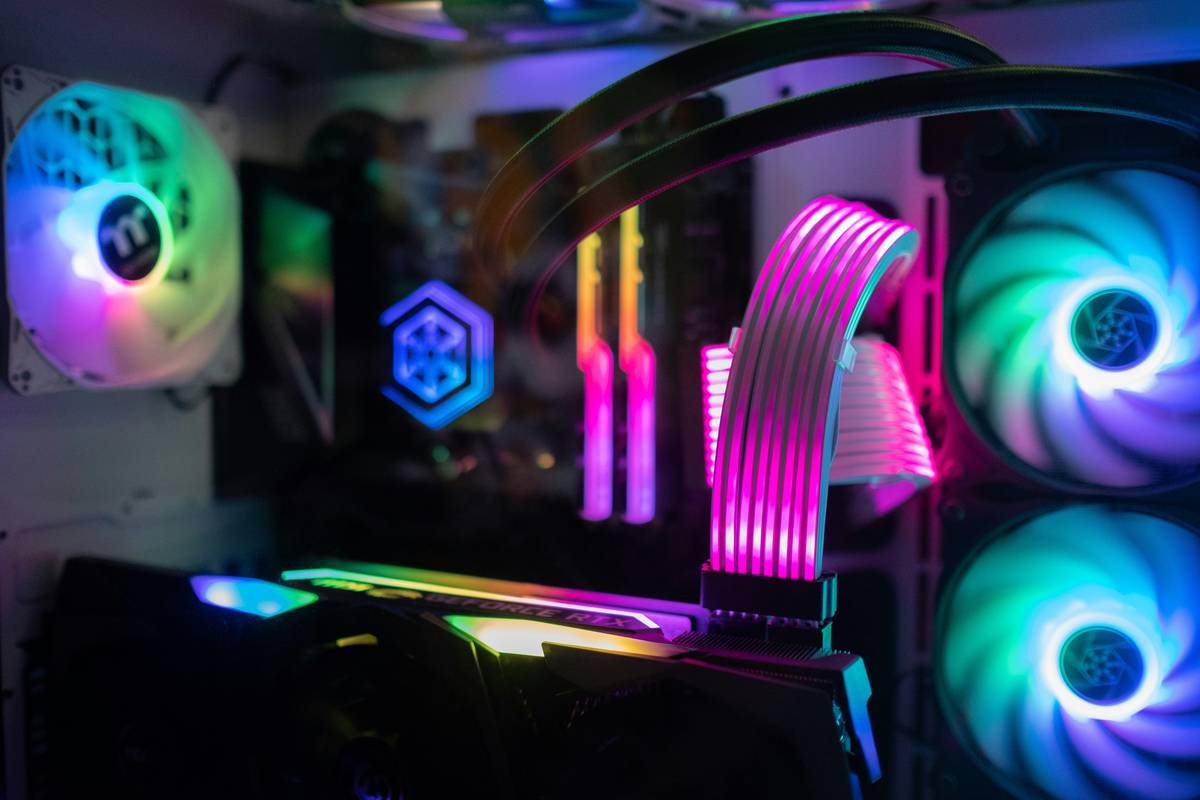
Should I upgrade to RGB fans?
Only if you value aesthetics. RGB adds no cooling benefit and can reduce reliability due to extra circuitry. Focus on performance first.
Where can I learn more about our testing standards?
We detail our methodology and team expertise on our About Us page.
Now that you know what fans are in my pc—and how to optimize them—you’re armed against heat, noise, and crashes. Got a weird fan behavior or planning an upgrade? Contact us—we love geeking out over airflow.
Remember: cool air is free FPS.

